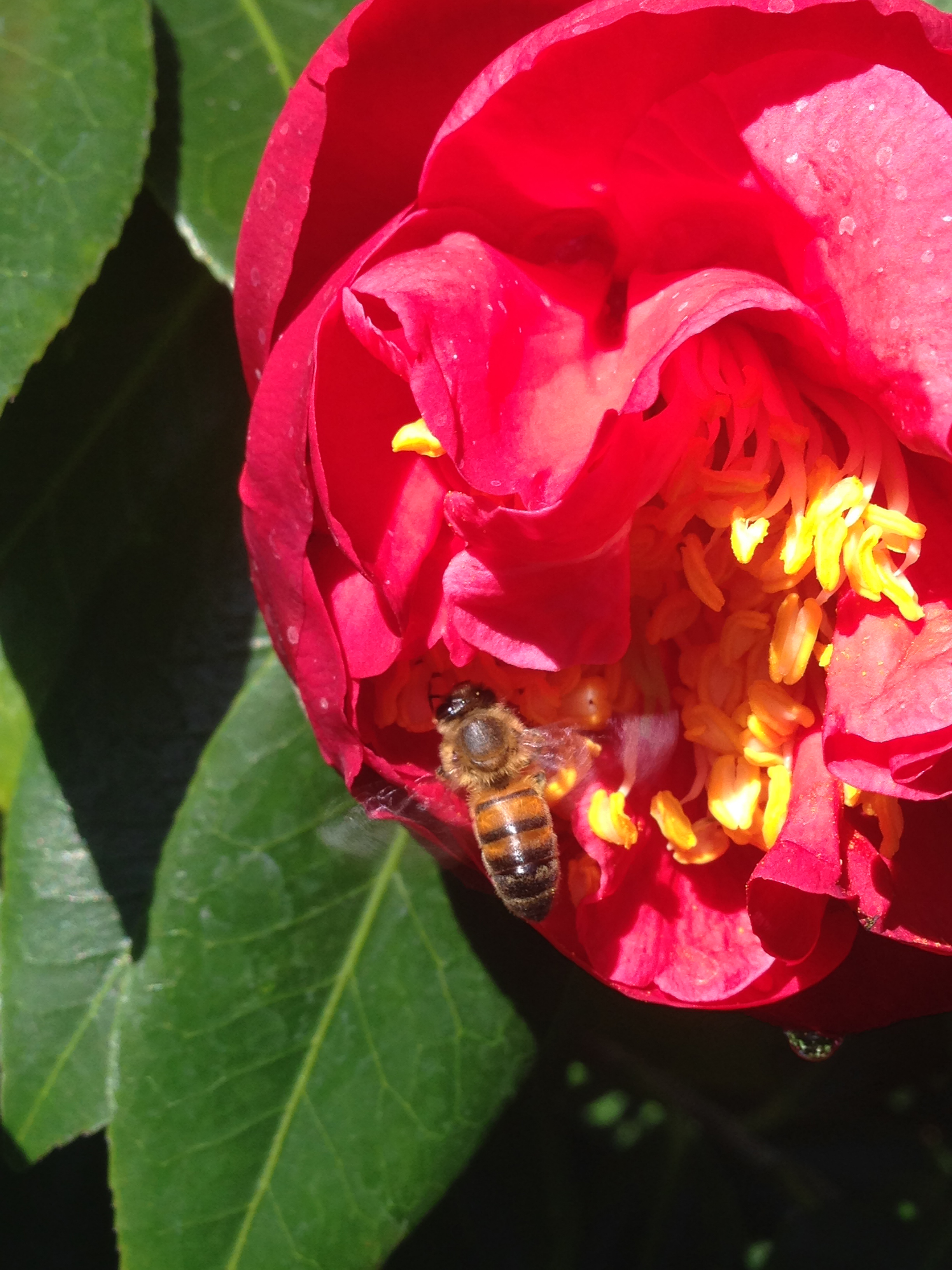
A rose is a woody perennial of the genus Rosa, within the family Rosaceae. There are over 100 species. They form a group of plants that can be erect shrubs, climbing or trailing with stems that are often armed with sharp prickles.
Flowers vary in size and shape and are usually large and showy, in colours ranging from white through yellows and reds. Most species are native to Asia, with smaller numbers native to Europe, North America, and northwest Africa. Species, cultivars and hybrids are all widely grown for their beauty and often are fragrant.
Rudbeckia hirta, black-eyed Susan, is a species of flowering plant in the family Asteraceae, native to the central United States.
It is one of a number of plants with the common name black-eyed Susan. Other common names for this plant include: brown-eyed Susan, brown Betty, gloriosa daisy, golden Jerusalem, Poorland daisy, yellow daisy, and yellow ox-eye daisy.
Tibouchina is a genus of about 350 species of neotropical plants in the family Melastomataceae. They are trees, shrubs or subshrubs growing 0.5–25 m tall, and are known as glory bushes or glory trees. They are native to rainforests of Mexico, the Caribbean, and South America, especially Brazil.
The name comes from an adaptation of a term for a member of this genus in an indigenous language of the Guianas.
Fuchsia is a genus of flowering plants that consists mostly of shrubs or small trees. The first, Fuchsia triphylla, was discovered on the Caribbean island of Hispaniola (present day Dominican Republic and Haiti) in about 1696–1697 by the French Minim monk and botanist, Charles Plumier during his third expedition to the Greater Antilles.
He named the new genus after the renowned German botanist Leonhart Fuchs (1501–1566).
Anemone blanda (common names Grecian windflower or winter windflower) is a species of flowering plant in the family Ranunculaceae, native to southeastern Europe, Turkey, Lebanon, and Syria. It is valued for its daisy-like flowers which appear in early Spring, a time when little else is in flower.
The flowers are an intense shade of purple blue, but are also available in shades of pink and white. This plant and its cultivar A. blanda var. rosea 'Radar', have gained the Royal Horticultural Society's Award of Garden Merit.
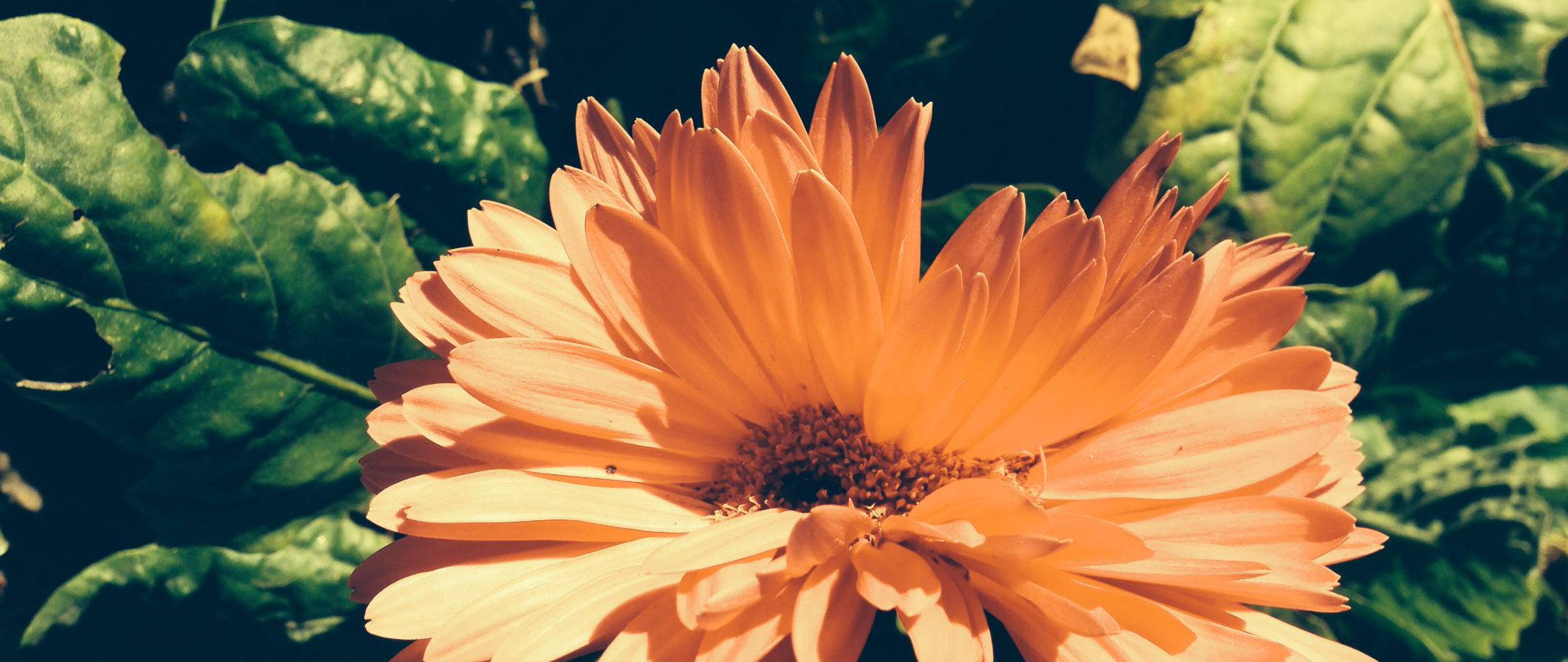
Asteraceae (commonly referred to as the aster, daisy, or sunflower family) is an exceedingly large and widespread family of Angiospermae.x The group has more than 23,000 currently accepted species, spread across 1,620 genera (list) and 12 subfamilies. In terms of numbers of species, Asteraceae is rivaled only by Orchidaceae.
The name "Asteraceae" comes from Aster, the most prominent genus in the family, that derives from the Greek ἀστήρ meaning star, and is connected with its inflorescence star form.